

With its diverse landscapes and rich cultural history, France is an unrivaled place for nature lovers. In part one, we have shown you the first top five natural wonders in France you can’t miss in this beautiful country.
We highlight some natural beauties that captivate tourists with their uniqueness and beauty, such as Mont Blanc, the Cliffs of Etretat, the Dune of Pilat, the Grotto of Saint Marcel in Ardèche, and the Gorges du Tarn, Lozère.
Today we continue this journey by introducing you to five new natural wonders you can’t miss: the Calanques de la Piana, the Jardins de Monet, the Aiguilles Rouges, the Mer de Glace, and the Parc Naturel Régional de Camargue.
Calanques de la Piana, Corsica

Located on the island of Corsica, the Calanques de la Piana represents a setting that seems to have been taken from a work of art, with its red granite structures contrasting with the intense blue of the Mediterranean Sea. It is considered a World Heritage Site by UNESCO and is located majestically in the Gulf of Porto.
Here, nature is at its purest and most theatrical, and you can tour the region by car along the winding D81 road. This route offers unforgettable panoramic views and allows you to explore the area on foot along paths that lead you to unique viewing points.
It is important to bring your camera because every corner of this site is worth photographing. With a bit of luck, you can spot peregrine falcons or mountain goats that live in this protected area.
Monet’s garden, Giverny
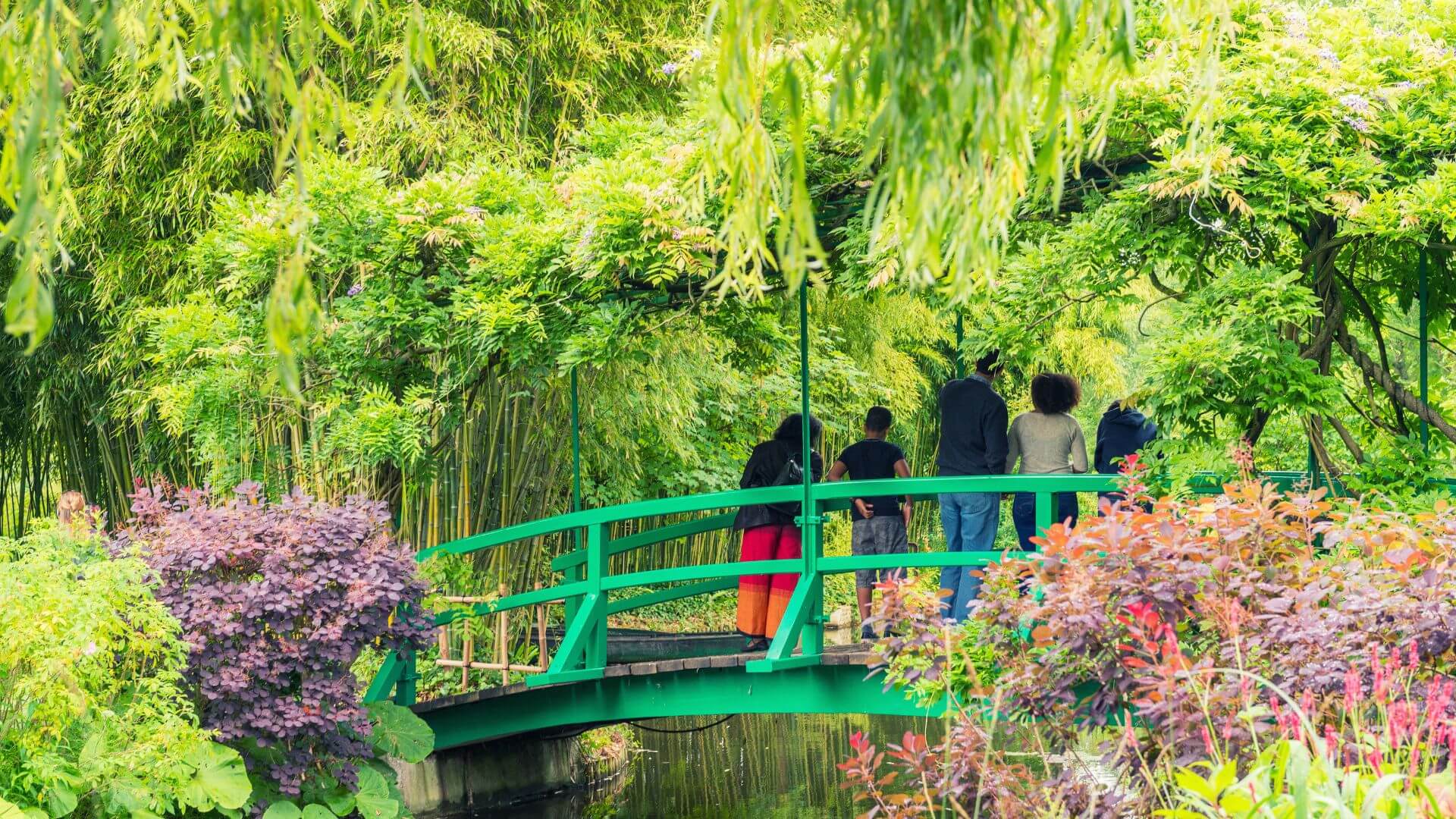
Located in Normandy, the Monet Gardens in Giverny are a place that promotes tranquility and creativity. This oasis of green was the residence of the renowned impressionist painter Claude Monet, who found in its gardens an inexhaustible source of inspiration. His famous series of water lily paintings emerged here.
The space is divided into two main areas: the Flower Garden, also known as Clos Normand, and the Water Garden, where the Japanese bridge that appears in many of Monet’s works is located. Walking through these gardens is like immersing yourself in a moving painting, with an explosion of colors and aromas that change with each season.
In addition, in the painter’s house, you can learn more about the life and work of this artist. If you are looking for a place to connect with nature and art history, Giverny is the place to be.
Red Aiguilles, Chamonix

The Aiguilles Rouges mountain range is located in the French Alps, close to the renowned ski resort of Chamonix. This massif is characterized by its steep peaks and typical reddish hue; it is a haven for hiking and climbing enthusiasts.
The Aiguilles Rouges Nature Reserve is home to a wealth of biodiversity. From marmots and ibex to a diversity of alpine flora, the area represents a model of the ecological abundance of the Alps.
Marked trails lead you to crystal-clear lakes such as Lac Blanc, from which you can enjoy breathtaking views of Mont Blanc and its waterfalls. Les Aiguilles Rouges are perfect for both novice and experienced hikers.
With its mix of beautiful scenery and the serenity of the Alps, it’s easy to see why this area attracts tourists from all over the world.
Sea of Ice, Chamonix

The Mer de Glace, also known as the “Sea of Ice”, is one of the most amazing glaciers in Europe and one of the highlights of Chamonix. This 7-kilometer-long glacier descends from the peaks of Mont Blanc and offers a frozen scene that will amaze you.
To get there, you have the option of taking the Montenvers cogwheel train, which takes you to the glacier on a journey that is already an adventure in itself. Once there, you have the opportunity to discover the ice cave, a construction created annually in the glacier, which offers you the opportunity to explore the core of this gigantic glacier.
Unfortunately, climate change has had a considerable impact on the Mer de Glace, highlighting the importance of preserving these natural treasures. A visit to this place, in addition to giving you a wonderful visual experience, will allow you to reflect on your connection with nature.
Camargue Regional Nature Park

Located in the Provençal region, the Parc Naturel Régional de Camargue is a haven of biodiversity that combines wetland, salt marsh, and plain settings. This park is distinguished by its pink flamingos, black bulls, and white horses, which symbolize the pure spirit of the region.
The Camargue is a perfect place for birdwatchers, as it is home to over 400 species. You can explore the park on foot, by bike, or even on horseback, allowing you to immerse yourself in nature and appreciate its tranquility.
Another of the Camargue’s most outstanding features is its indigenous culture. Towns in the region, such as Saintes-Maries-de-la-Mer, are distinguished by their unique traditions, festivals, and native cuisine. You should try the local products, such as Camargue rice and local wine.
France is a nation that never fails to surprise with the variety and abundance of its spectacular natural resources. From the rocky cliffs of the Calanques de la Piana to the vibrant Jardins de Monet, through the imposing Alps and the spectacular landscapes of the Camargue, every corner offers a unique and memorable experience.
The journey through these natural wonders mentioned in both articles links us to the history and importance of safeguarding our environment. Pack your bags and embark on this journey through the beautiful natural landscapes of France; each one will leave you with an indelible memory and a deep respect for the beauty of our planet Earth.